
Trans-Affirming Guide to LGBTQIA+ History Month
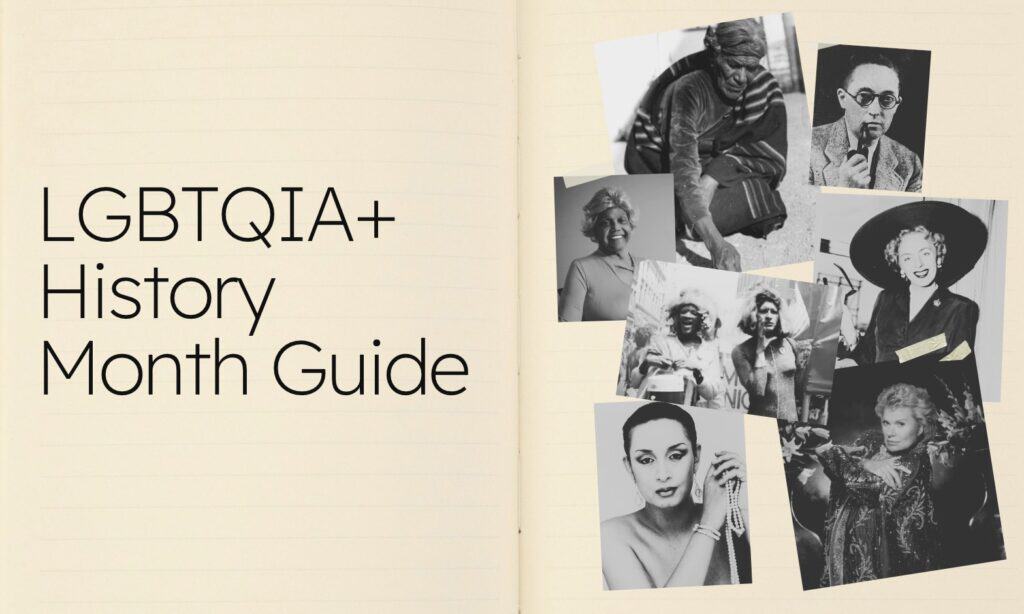
LGBTQIA+ History Month started in a classroom. In 1994, Rodney Wilson, a gay high school history teacher in Missouri, teamed up with a small group of community members to create a month for queer young people to learn their own history. The idea was simple: If you can see yourself in the people who came before you, you can imagine your future more easily.
They chose October on purpose. National Coming Out Day falls on October 11, and the month also holds the anniversary of the first National March on Washington for Lesbian and Gay Rights in 1979.
Accurate LGBTQIA+ histories, let alone trans history can be hard to find, and that’s not an accident. Archives were burned. Police records called us criminals. Newspapers outed us, and medical files erased our names. But we have persisted and fought for every right, protection, and care that we deserve. Some critical moments in LGBTQIA+ history include the below:
- 1919: Magnus Hirschfeld opens the Institute for Sexual Science in Berlin, one of the first places in the world to offer gender-affirming care.
- 1933: Nazis raid the Institute and burn its library in one of their first book burnings. Decades of trans research and records go up in flames.
- 1966: Trans women and drag queens fight back against police harassment at Compton’s Cafeteria in San Francisco’s Tenderloin, three years before Stonewall.
- 1969: The Stonewall uprising in New York sparks a new era of queer resistance, with trans and gender-nonconforming trans women of color leading the movement.
- 1980: The American Psychiatric Association adds “gender identity disorder” to its diagnostic manual, labeling trans identity a mental illness.
- 1993: Minnesota becomes the first state to ban discrimination based on gender identity.
- 1999: After the murder of Rita Hester in Boston, Gwendolyn Ann Smith founded Transgender Day of Remembrance.
- 2009: Under President Obama, gender identity is added to federal hate crimes law, the first federal law to explicitly protect trans people.
- 2013: The DSM-5 replaces gender identity disorder with gender dysphoria, acknowledging that being trans is not a mental illness.
- 2019: The World Health Organization votes to move trans-related diagnoses out of its mental disorders chapter.
- 2020: In Bostock v. Clayton County, the Supreme Court rules that firing someone for being trans is sex-based discrimination. One of the cases was brought by Aimee Stephens, a trans woman who died a month before the ruling.
- 2025: In United States v. Skrmetti, the Supreme Court upholds Tennessee’s ban on gender-affirming care for trans youth.
The pattern is clear. Every gain was fought for, and every gain has been fought against.
Trans, Gender Non-Conforming, and Intersex Ancestors to Know
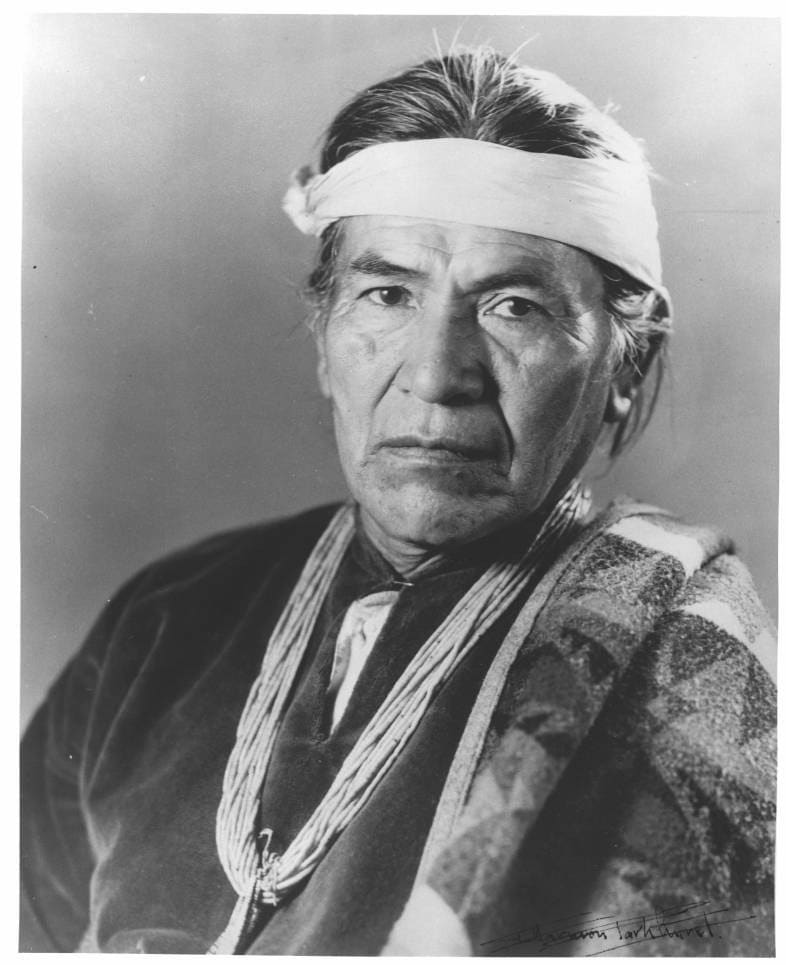
Hosteen Klah (1867 – 1937)
Klah was a Diné weaver, healer, and ceremonial singer honored as Nádleehi, a Navajo-specific gender that describes a male-bodied person who lives as a woman. When missionaries tried to erase Dine rituals, Klah wove sacred sandpainting designs into textiles so the knowledge would survive. They then co-founded what is now the Wheelwright Museum of the American Indian in Santa Fe. Klah passed away in 1937, months before the museum opened.
Alan L. Hart (1890 – 1962)
One of the first trans men in the United States to undergo gender-affirming surgery. As a physician, Hart was outed again and again, forcing him to have to constantly change hospitals. Despite this, they kept working tirelessly, helping pioneer X-ray screenings for tuberculosis. Countless patients benefited from his work without ever knowing a trans man was behind the technology.

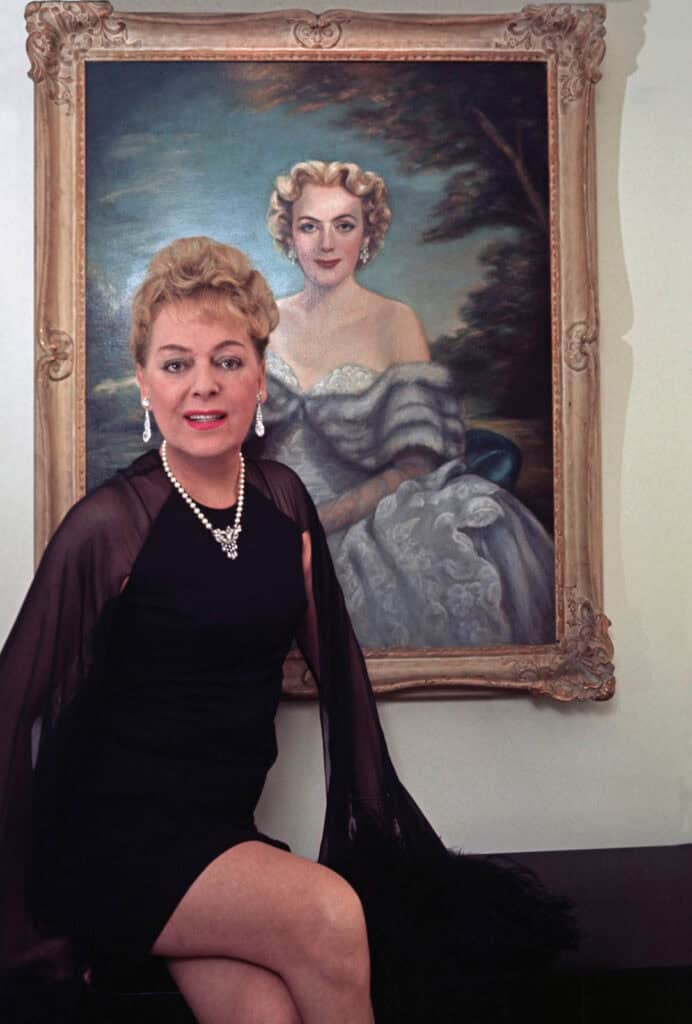
Christine Jorgensen (1926 – 1989)
A World War II U.S. Army veteran from the Bronx, Jorgensen made front-page news in 1952 after receiving gender-affirming care in Denmark. The press treated her as a medical marvel for being one of the first women to undergo sex reassignment surgery. She made the spotlight hers, however, building a decades-long career as a performer and lecturer.
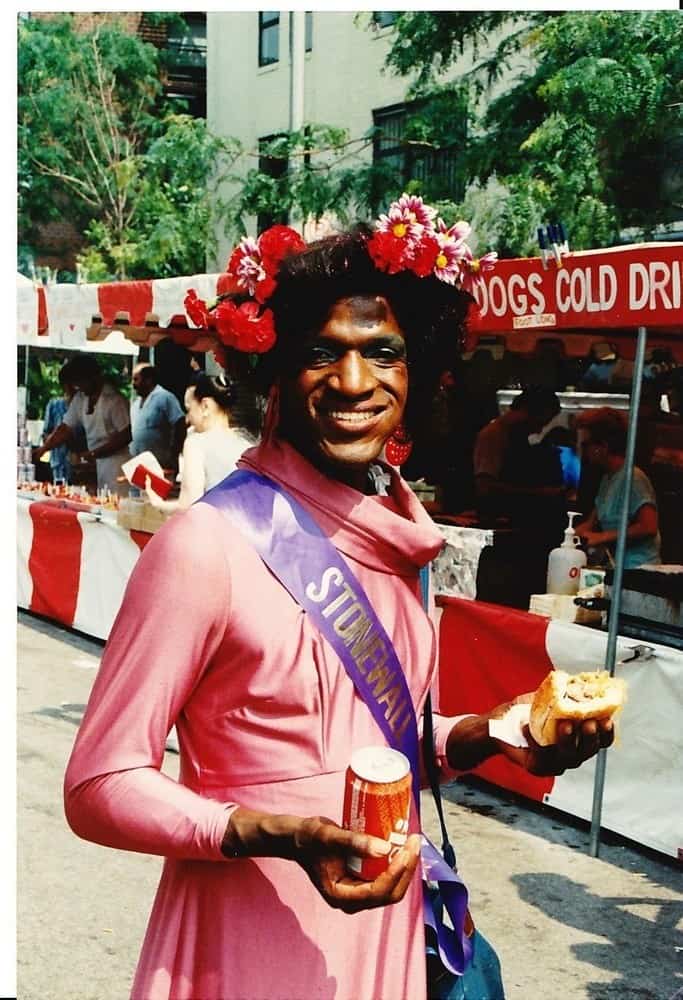
Marsha P. Johnson (1945 to 1992)
Marsha P. Johnson was impossible to miss in Greenwich Village known for flowers in her hair, an infectious smile, and incredible generosity even when she had nothing. When people said that the P stood for, she told them: Pay it no mind.
In 1970, she and Sylvia Rivera co-founded Street Transvestite Action Revolutionaries, known as STAR, and opened STAR House to shelter homeless trans youth. In 1992, her body was found in the Hudson River. Police ruled it as a suicide but her friends and family never believed it and the case was reopened in 2012.
Sylvia Rivera (1951 – 2002)
Sylvia Rivera, a Puerto Rican and Venezuelan trans woman, was living on New York City’s streets as a child, but by her late teens, she was co-founding STAR alongside Marsha.
In 1973, the gay rights movement was trying to clean up its image, and trans women of color were the first group they wanted gone. At the Christopher Street Liberation Day rally, Sylvia fought her way onto the stage. The crowd booed. She kept going, demanding the movement remember the trans people sitting in jail and sleeping on the street. The Sylvia Rivera Law Project carries her name and her fight. Her message is still ours: liberation that leaves no one behind.
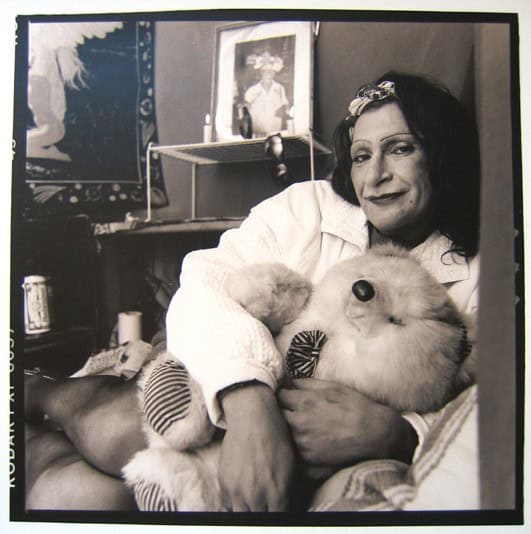
Willmer “Little Axe” Broadnax (1916 to 1992)
Willmer Broadnax was one of the great high tenors of gospel’s golden age. Quartet singing was overwhelmingly a man’s world, and Broadnax stood at the center of it. He got his nickname from his small stature and from his older brother, a baritone known as Big Axe.
From the 1940s into the 1960s, Broadnax led the Golden Echoes, sang with the Spirit of Memphis, and was tapped in 1960 to replace Archie Brownlee as lead singer of the Five Blind Boys of Mississippi. He recorded for decades with some of the most celebrated groups in the genre.
The world learned he was a trans man only after his death. His story drew a fraction of the attention given to Billy Tipton, a white jazz musician whose similar story made national headlines a few years earlier. It took Black trans journalist Monica Roberts, writing on her blog TransGriot, to bring Broadnax’s life back into view.
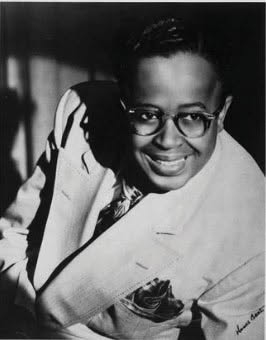
Althea Garrison (1940- )
In 1992, Althea Garrison became the first trans person elected to a state legislature in the United States, winning a seat in the Massachusetts House. A Boston newspaper outed her against her will after the election. She served one term. Then she ran again, and again, and again. In 2019, she returned to office on the Boston City Council.
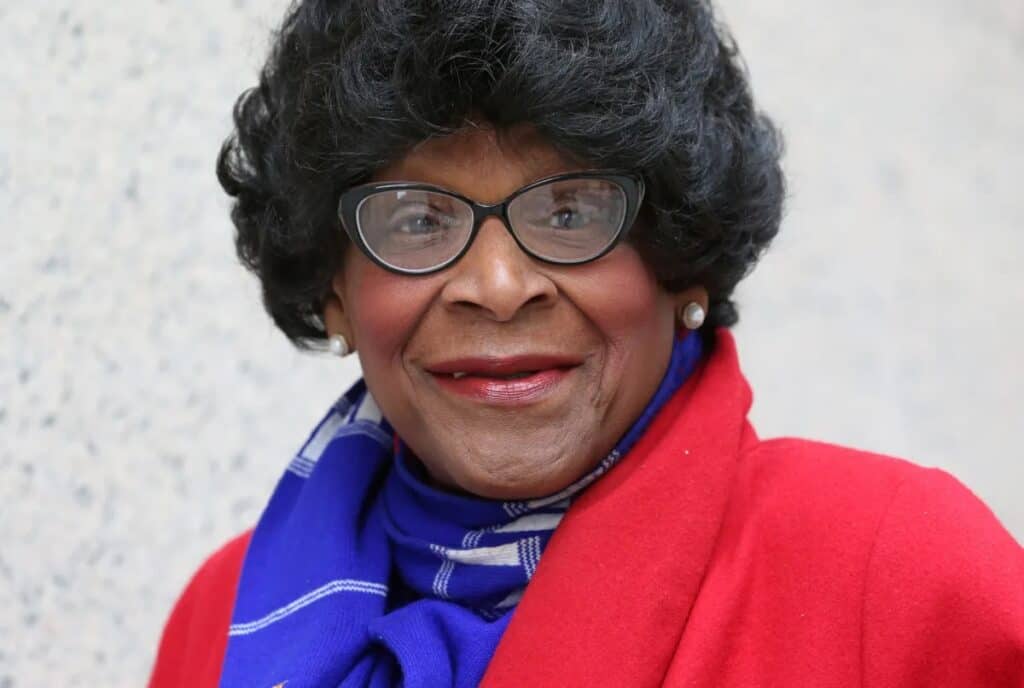
Georgina Beyer (1957 to 2023)
Before politics, Georgina Beyer was an actor, a drag performer, and a sex worker. She never hid any of it. A Māori trans woman, she became the world’s first openly trans mayor in 1995 and the first openly trans member of a national parliament in 1999. As an MP, she helped pass New Zealand’s decriminalization of sex work, a bill that won by a single vote.
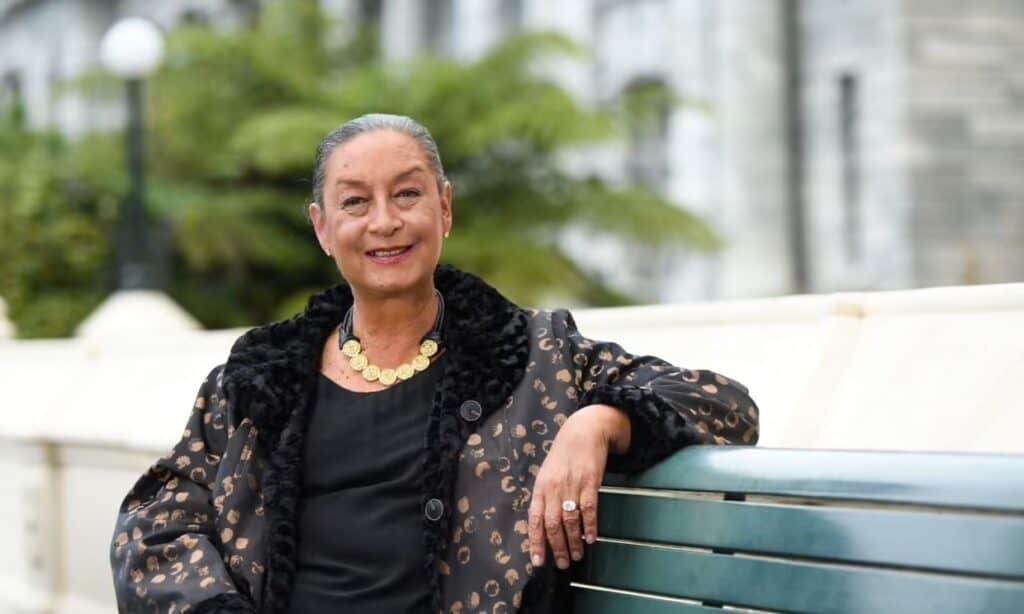
Walter Mercado (1932 to 2019)
For decades, millions of Latin American families gathered around the TV for Walter Mercado’s horoscopes. He wore jeweled capes, sculpted hair, and rings on every finger, and sent love through the screen. He refused to be labeled, was gender-nonconforming on live television long before there was language for it, and was beloved anyway.

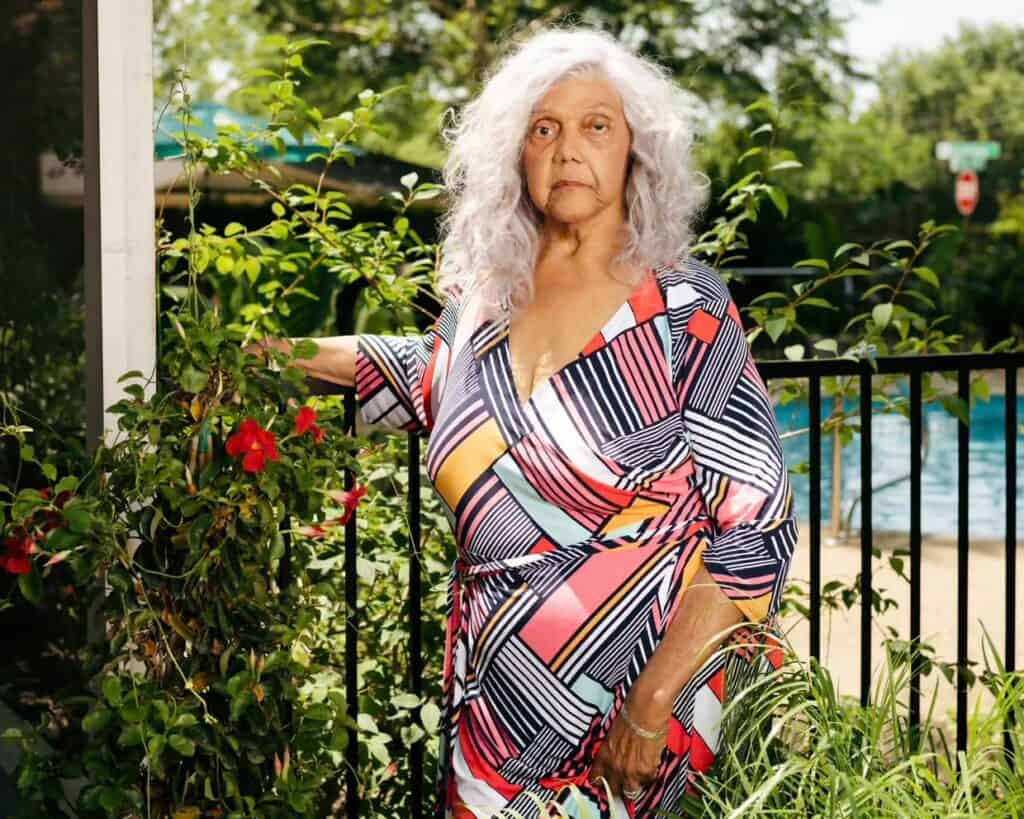
Miss Major Griffin-Gracy (1940 to 2025)
This October carries a particular ache. Miss Major Griffin-Gracy died on October 13, 2025, at home in Little Rock. She would have turned 80 on October 25.
Miss Major was at Stonewall in 1969. She survived men’s prisons and turned that experience into a lifetime of prison abolition work. In the 1980s, she cared for people living with HIV and AIDS when few others would. She led the Transgender Gender-Variant Intersex Justice Project in San Francisco, then founded House of GG in Arkansas as a place for trans people to rest and heal. When Arkansas became the first state to ban gender-affirming care for trans youth, she showed up in the courtroom.
To countless trans women, she was simply Mama. She is still here in every girl she poured into.
It’s worth naming what has changed since these ancestors lived, and what hasn’t.
Christine Jorgensen had to leave the country to get the care she needed. In 2026, trans people of every age in the United States are watching that care be threatened by new legislation and proposals. Althea Garrison was outed by a newspaper and treated as a scandal for existing in public office. Today, trans candidates still run campaigns built on that same fear. Miss Major survived prisons that refused to see her as a woman. Today, trans women are still being housed, searched, and denied care according to someone else’s definition of their bodies.
The tools have changed. The instinct to legislate trans people out of public life has not. What’s different now is that we know our history.